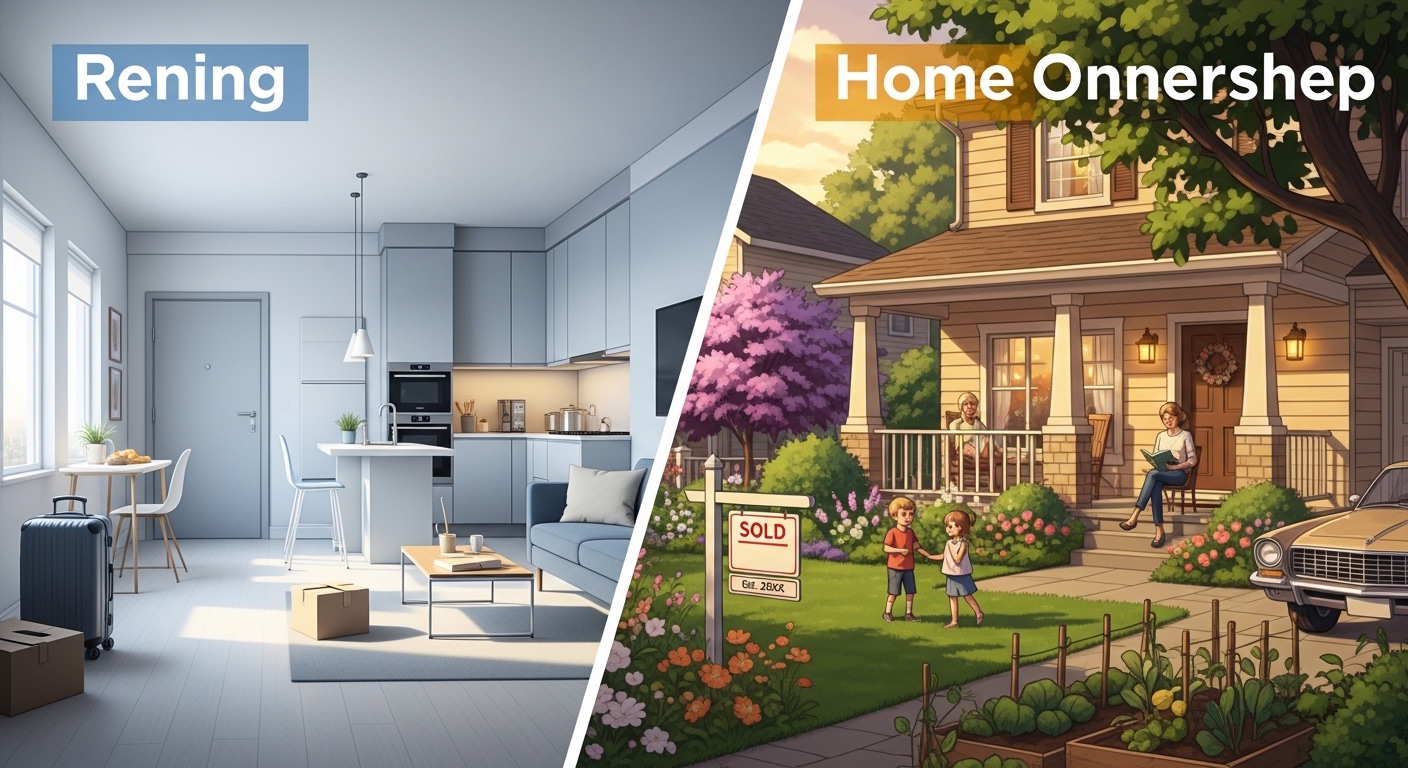
Saving for a down payment has traditionally been the biggest hurdle to homeownership. Many of my clients in Danvers and throughout Massachusetts tell me they've delayed their homebuying dreams for years while trying to accumulate 15, 20, or even 30 thousand dollars for a down payment. The good news? You don't have to wait anymore. Several legitimate mortgage programs exist right now that can help you purchase your first home with little to no money down, and I'm here to walk you through your options.
True Zero-Down Programs: VA and USDA Loans
If you qualify, zero-down mortgage programs are some of the most powerful tools available to homebuyers. VA and USDA loans offer true no-down-payment mortgages.
VA Loans for Veterans and Service Members
VA loans allow eligible veterans, active-duty service members, and surviving spouses to purchase a home with 100% financing, no down payment, and no mortgage insurance. This is a substantial benefit, especially when you consider what that means in real dollars. On a $400,000 home, even a 3.5% FHA down payment would require $14,000 out of pocket.
To qualify for a VA loan, you'll need to provide a Certificate of Eligibility that verifies your service. Qualifying for no-down-payment home loans often depends on factors like credit score, income limits, and debt-to-income ratio. Most VA-approved lenders look for credit scores around 580 or higher, though there's no official VA minimum. The borrower must pay a VA funding fee that amounts to 0%-3.15% of the loan (not required for disabled veterans). The good news is that you can finance this fee into your loan amount.
USDA Loans for Rural and Suburban Homebuyers
USDA loans offer the same benefits for buyers in qualifying rural or suburban areas, provided their income falls within USDA income limits. While Danvers is primarily suburban, certain nearby areas may qualify, so it's worth checking your specific property location on the USDA eligibility map.
Eligible applicants may purchase, build, rehabilitate, improve or relocate a dwelling in an eligible rural area with 100% financing. The program provides a 90% loan note guarantee to approved lenders in order to reduce the risk of extending 100% loans to eligible rural homebuyers.
For USDA loans, you'll typically need a credit score of 640 or higher, and there are income limits based on household size and location. Unlike VA loans, you won't have mortgage insurance, but you will pay an upfront guarantee fee and an annual fee.
Low Down Payment Options: FHA Loans
If you don't qualify for VA or USDA loans, FHA loans are your next best option. The minimum down payment for an FHA loan is 3.5% for borrowers with a credit score of at least 580. On a $350,000 home, that's only about $12,250 out of pocket.
Federal Housing Administration-backed loans allow you to put as little as 3.5% down on a home purchase. Credit score requirements for an FHA loan may be more flexible than for conventional low-down-payment loans. This flexibility makes FHA loans particularly attractive for first-time homebuyers who might have less-than-perfect credit or limited savings.
One thing to keep in mind: You'll have to pay an up-front mortgage insurance premium, as well as an annual MIP that's divided by 12 and added to your monthly payment. This is an important factor to weigh when comparing your loan options, as it affects your long-term costs.
Conventional Mortgages with Low Down Payments
Don't overlook conventional loans with low down payment requirements. You may be able to get a conventional loan with a down payment as low as 3%. The advantage here is that if you put down less than 20%, you'll pay private mortgage insurance, but unlike FHA mortgage insurance, PMI can be removed once you've built sufficient equity in your home.
Massachusetts-Specific Down Payment Assistance Programs
Living in Massachusetts gives you access to some of the best down payment assistance programs in the country. As a real estate agent in Danvers, I'm especially excited about the programs available to our local first-time homebuyers.
MassHousing Down Payment Assistance
First-time homebuyers who meet certain income limits may be eligible for $30,000 in down payment assistance, as well as mortgage insurance premiums paid by MassHousing! This is a significant benefit that can dramatically reduce your out-of-pocket costs at closing.
This program provides eligible buyers with up to $25,000 at 0 percent interest with deferred repayment terms to help cover a down payment, closing costs, prepaid mortgage insurance or reduce their interest rate. The deferred repayment structure means you won't make monthly payments on this assistance loan; instead, it becomes due when you sell, refinance, or pay off your primary mortgage.
The program is available to first-time homebuyers who lock in their MassHousing mortgage between April 27 and July 31, 2026 and earn up to 135 percent of area median income, which includes many middle-class borrowers across the state. For the Danvers area, income limits are generous enough to include most working families.
Other Massachusetts Resources
Beyond MassHousing, Massachusetts residents have additional options. The Boston Home Center can lend up to 5% of your home's purchase price in down payment assistance. That's capped at $50,000 if your income is less than 100% of the area median income (AMI), or $35,000 if your income is between 101% and 135% of the AMI.
Many communities, including some near Danvers, offer local down payment assistance programs as well. These can often be stacked with state and federal programs to maximize your available funds.
Building Your Qualification Strategy
Understanding what you need to qualify is the first step. Qualifying for no-down-payment home loans often depends on factors like credit score, income limits, and debt-to-income ratio. Here's what lenders typically look for:
- Credit Score: Ranges from 580 for FHA loans to 640 or higher for conventional and USDA programs. VA loans have no official minimum, but most lenders want 580+.
- Debt-to-Income Ratio: This is the percentage of your gross monthly income that goes toward debt payments. Most lenders want to see this at 43% or lower, though some programs allow up to 50%.
- Income Stability: Lenders want to see consistent income for the past two years. If you're self-employed, this may require additional documentation.
- Savings and Reserves: While down payment assistance eliminates the need for a large down payment, having some savings demonstrates financial responsibility.
The Trade-offs to Consider
Borrowers should also weigh the trade-off between higher monthly payments and greater total interest over time compared with loans that require a down payment. This is an important consideration that I discuss with every client.
When you put no money down, you're borrowing 100% of the purchase price, which means higher monthly payments and more interest paid over the life of the loan compared to putting down 10 or 20 percent. However, this has to be weighed against your personal circumstances. Getting into homeownership sooner and building equity might be more valuable to you than waiting years to save for a larger down payment.
Your Next Steps
Down payment assistance programs (DPAs) help buyers who can afford monthly mortgage payments but need help covering upfront costs, such as the down payment or closing costs. State and local housing agencies and nonprofits often provide grants or forgivable loans that reduce or eliminate the initial cash needed to close.
If you're ready to explore your no-money-down options, I recommend starting with getting pre-qualified with a lender who offers multiple program types. This will give you a clear picture of what you can afford and which programs you qualify for. You can also search for homes in Danvers on HOUSEJET's website to get a sense of what's available in your price range.
As your real estate agent in Danvers, I've helped numerous clients navigate these programs and find homes that work for their financial situation. The barriers to homeownership are lower than you might think, and with the right program and guidance, your homeownership dreams can become a reality much sooner than you expected. Reach out to me at nicholas.housejet.com to discuss your specific situation and explore which programs make the most sense for you.